When considering workplace hazards, most businesses focus on the obvious—working at height, machinery, or manual handling. However, for construction and other outdoor sectors, one of the most consistent risks is often overlooked: exposure to the sun.
Ultraviolet (UV) radiation is not simply a summer inconvenience—it is a recognised occupational hazard. If your employees work outdoors, managing this risk is part of your legal duty.
Why UV Exposure Is a Workplace Risk
UV radiation from the sun is a well-established cause of skin cancer, as well as eye damage and premature skin ageing. Outdoor workers—including those in construction, utilities, agriculture, and landscaping—can receive significantly higher levels of exposure due to prolonged time spent outside.
In the UK, skin cancer is one of the most common forms of cancer, and occupational exposure to sunlight is a contributing factor for many workers. Importantly, the risk builds over time, meaning even moderate daily exposure can lead to long-term harm.
What the Law Requires
Under the Health and Safety at Work etc. Act 1974, employers have a legal duty to protect the health, safety, and welfare of their employees. This includes assessing and controlling risks arising from workplace activities—including environmental risks such as UV radiation.
In line with guidance from the Health and Safety Executive (HSE), employers should:
- Identify workers who are regularly exposed to sunlight
- Carry out suitable and sufficient risk assessments
- Implement reasonably practicable control measures to reduce exposure
Failure to address known risks, including UV exposure, could result in enforcement action if harm occurs or if adequate controls are not in place.
Practical Steps to Stay Compliant
Managing UV exposure is straightforward when built into existing health and safety practices. Reasonably practicable measures include:
- Work scheduling: Where possible, reduce prolonged outdoor work during peak UV hours (typically 11am–3pm in the UK)
- Protective clothing: Provide or encourage long-sleeved clothing, wide-brimmed hats, and UV-protective eyewear
- Sunscreen provision: Make high SPF (30 or above) sunscreen available to workers and encourage regular application
- Access to shade: Provide shaded areas for breaks, particularly on exposed sites
- Training and awareness: Ensure workers understand the risks of UV exposure and how to protect themselves
These measures should be proportionate to the level of risk and the nature of the work.
Skin Health Surveillance: A Key Consideration
For employees with regular and prolonged exposure to sunlight, skin health surveillance can form part of a sensible risk management approach.
While not always a strict legal requirement in the same way as surveillance for substances like asbestos or noise, the HSE supports monitoring where there is a reasonable likelihood of harm.
An effective approach may include:
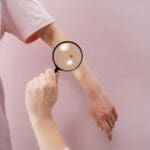
- Educating workers on how to carry out basic self-checks
- Encouraging reporting of new or changing moles, lesions, or persistent skin changes
- Signposting to occupational health support or GP services where concerns arise
- Keeping appropriate records where health monitoring is implemented
Early identification of potential issues significantly improves outcomes, particularly in the case of skin cancer.
Why It Matters for Your Business
Taking UV exposure seriously is not only about compliance—it also supports wider business performance:
- Reduces the risk of long-term illness and absence
- Demonstrates a proactive duty of care
- Supports employee wellbeing and morale
- Helps protect against potential legal claims or reputational damage
Final Thought
For outdoor sectors, the sun is a workplace hazard that cannot be ignored. UK law requires employers to assess and manage risks so far as is reasonably practicable—and UV exposure is no exception.
By putting simple, effective controls in place and considering skin health surveillance where appropriate, your business can remain compliant while protecting the long-term health of your workforce.